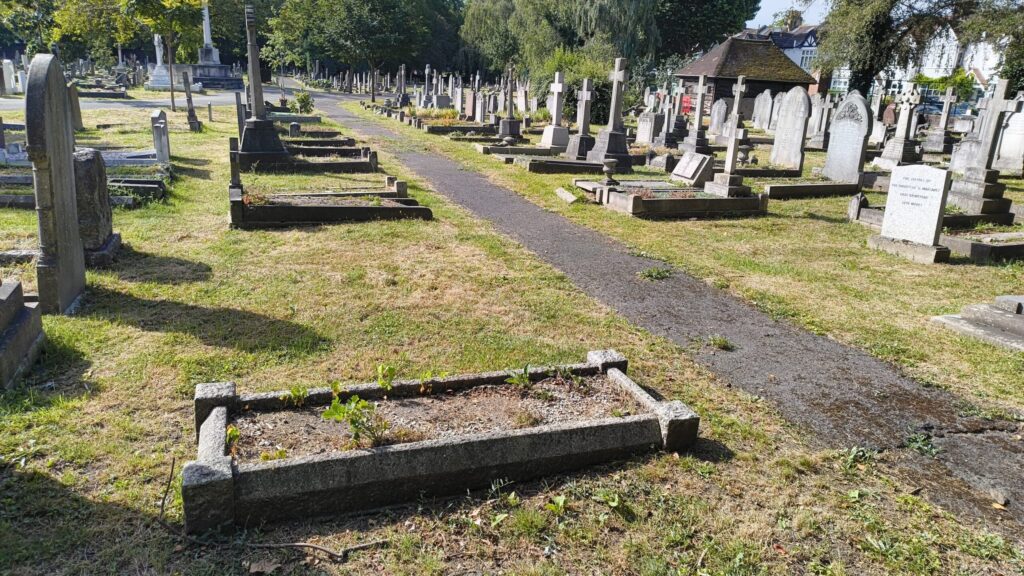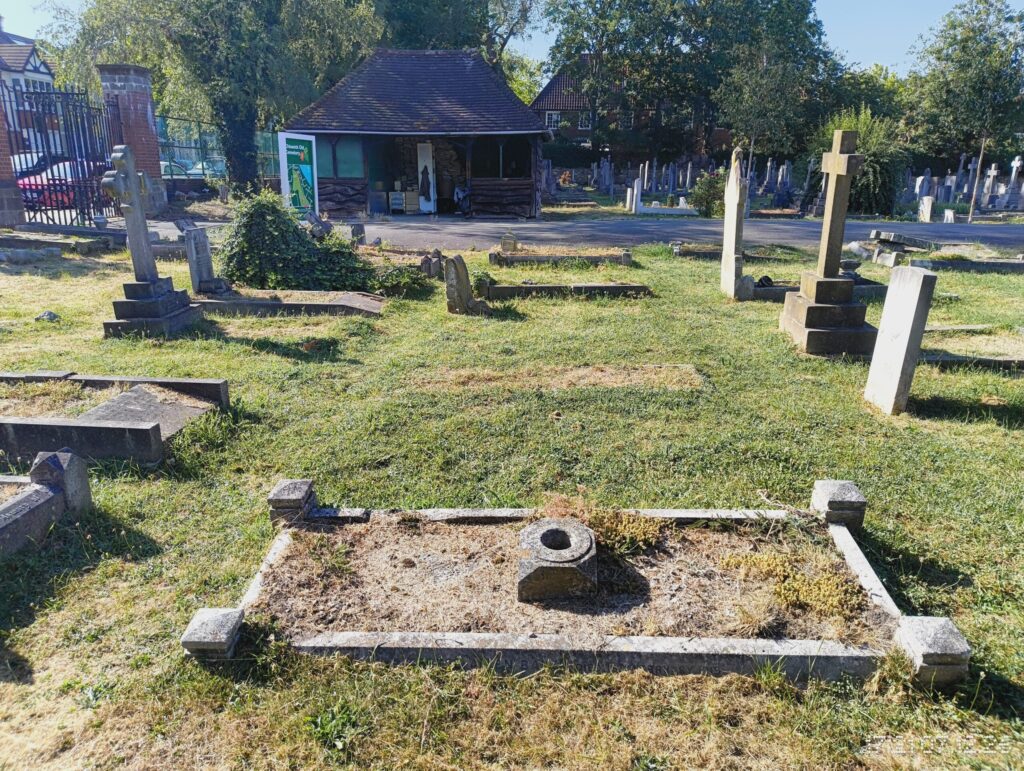
Post 2: Two people are buried in the same grave. One died in 1919. The other in 1946. They have different surnames and, so far as I can tell, no obvious connection. And the woman seems not to have existed until she died.
This is the first mystery of The Cemetery Project.
In my introductory post, I listed the people I want to write about for this project: victims of a serial killer, young men who died in one of the world wars, a woman who shares my mother’s name. For my first story, I’ve ended up not choosing any of them.
Last Sunday I visited the Chiswick Old Cemetery again. It was late afternoon and sunny, and a stooped-over man watering trees with a bucket, and a young man with a dog and a small boy on a bike were the only other people there with me.
This is what I was looking for:
- I wanted a grave of a woman buried on her own.
- Ideally one who had died young ─ meaning she didn’t have children and there probably wasn’t anybody still alive today who ever thought about her, even if only once every few years, like how I think of my grandmother who died when I was five.
- Someone who died more than a hundred years ago – meaning there really wasn’t anybody alive today who still thought about them from time to time.
What I found instead was this grave:
Edith May Dowling, died 12 February 1946
George Allen Baker, died 16 February 1919
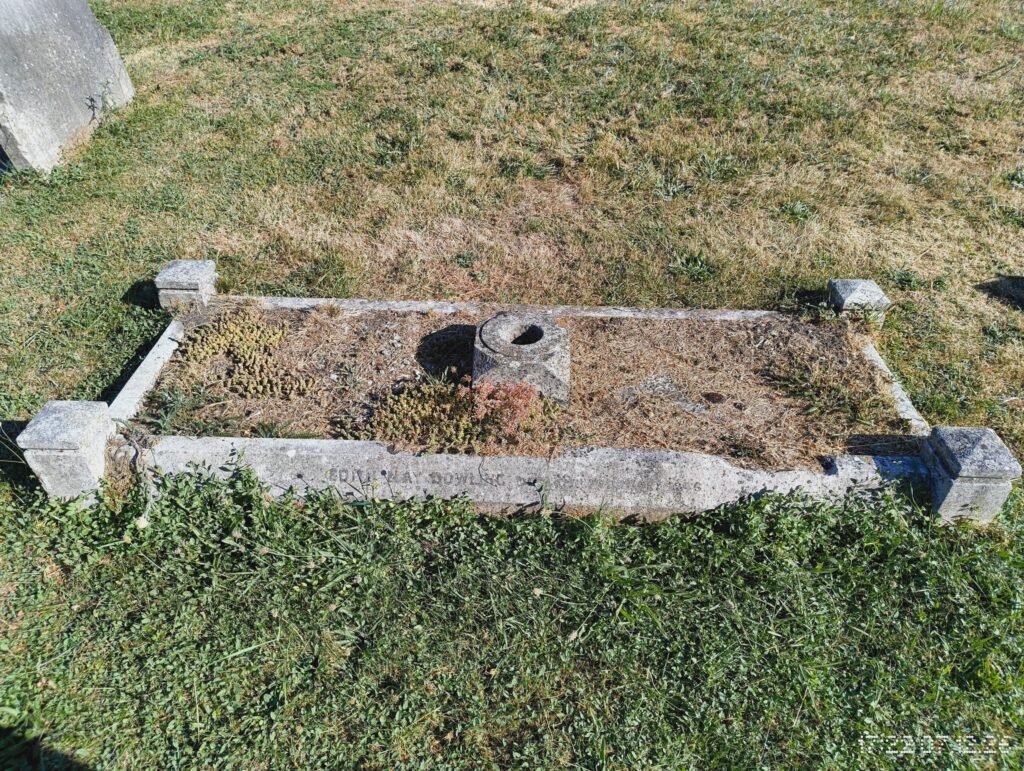
As you can see, Edith doesn’t fulfil any of my selection criteria, but her grave intrigued me. On most of the surrounding graves, the relationships between the interred people are clear, or can be inferred.
For example:
Joe Bloggs, died 1923
And also Jane Bloggs, died 1934
or
Here lies our beloved father, Joe Bloggs, died 1923
and our beloved mother, Jane Bloggs, died 1934
and our brother…
But this grave has two people with different surnames who died 27 years apart. Were they father and daughter? If so, where is the mother? Were they husband and wife, and the wife remarried after he died? But if so, why is she not buried with her second husband? Are they unrelated? If so, why are they buried together?
As a lifelong fan of crime fiction, this is a mystery I must solve.
I went home and signed up for a 14-day free trial of the pro version of Ancestry.com. I spent the first hour pursuing all the hints about my own ancestors Ancestry keeps sending me since having my DNA analysed with them a few years ago and which I can only see with a pro subscription. I traced possible ancestors on my father’s side all the way back to the late 1700s ─ in Cape Town. That’s wild!
I decided to start by researching George, simply because men don’t change their surnames and I reckoned he would be easier to find. The only result I found immediately was the probate notice of his death that was published in 1919.
(click on the images to view them larger)
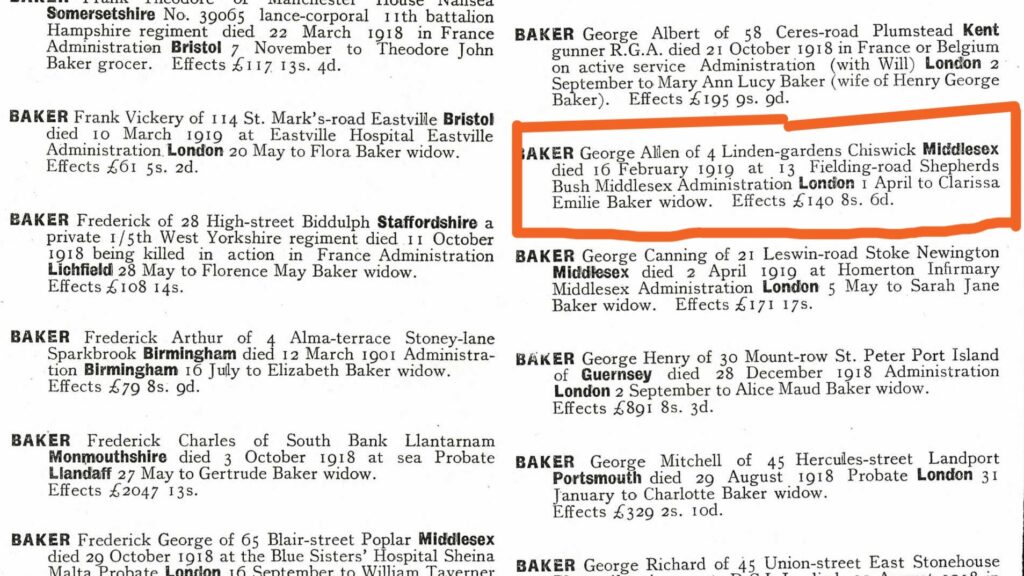
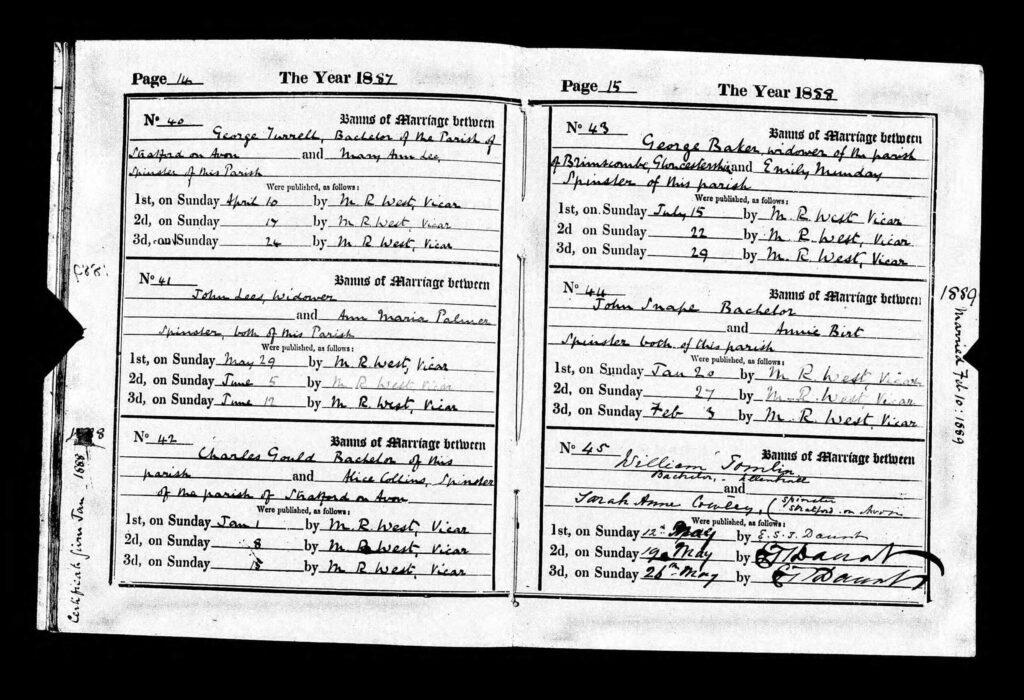
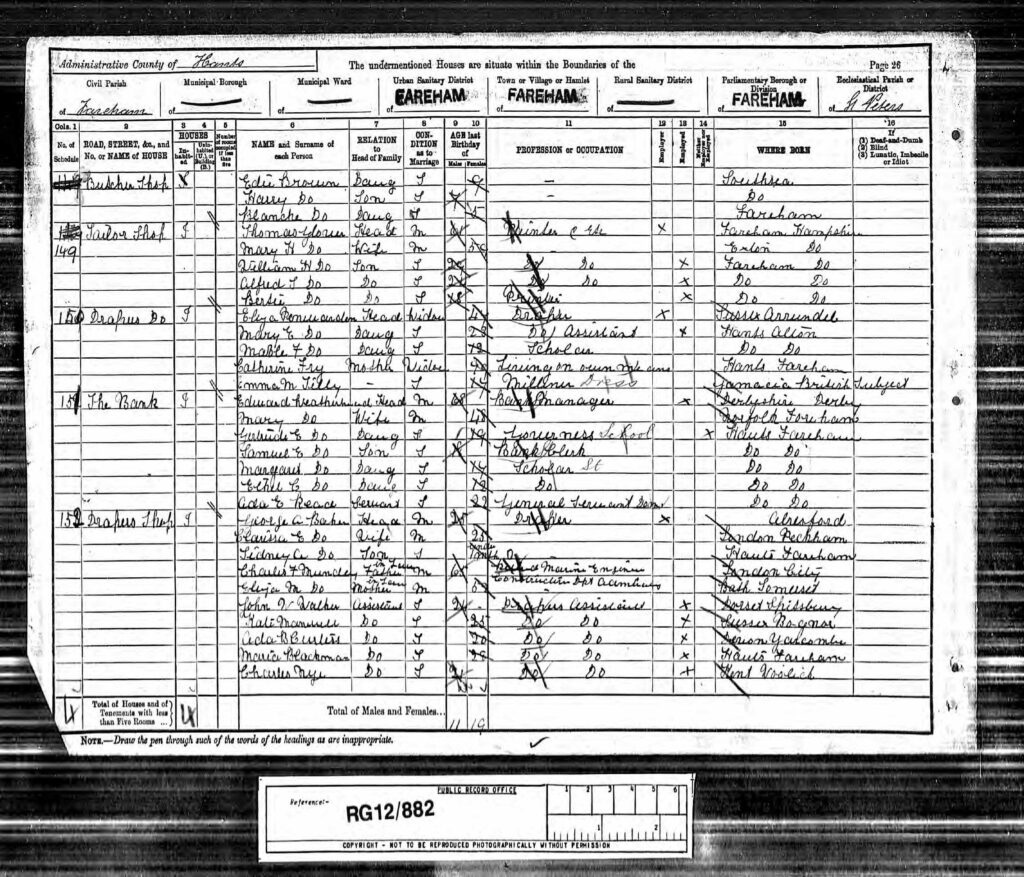
From the above documents, I learned:
- George trained for and worked as a draper. This is possibly important.
- George had a wife named Clarissa Emilie Baker (neé Munday).
- They were married in 1888 or 1889
- He lived at 4 Linden Gardens, Chiswick, at the time of his death.
- Interestingly, George and Clarissa’s mariage banns record shows the 25-year old George as being a widower. I’ve not been able to find a record of that implied first marriage.
- Their 1891 census entry shows the couple living in the same household above a draper’s shop with Clarissa’s parents. Clarissa’s father, Charles Munday, is listed as a retired marine engineer. This career information is possibly important.
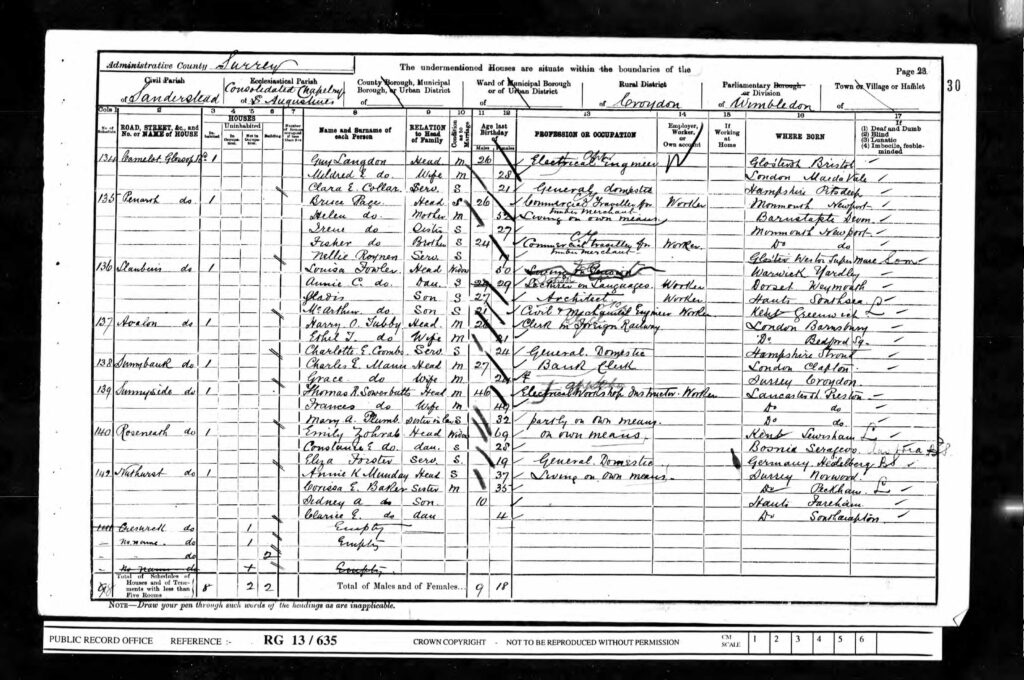
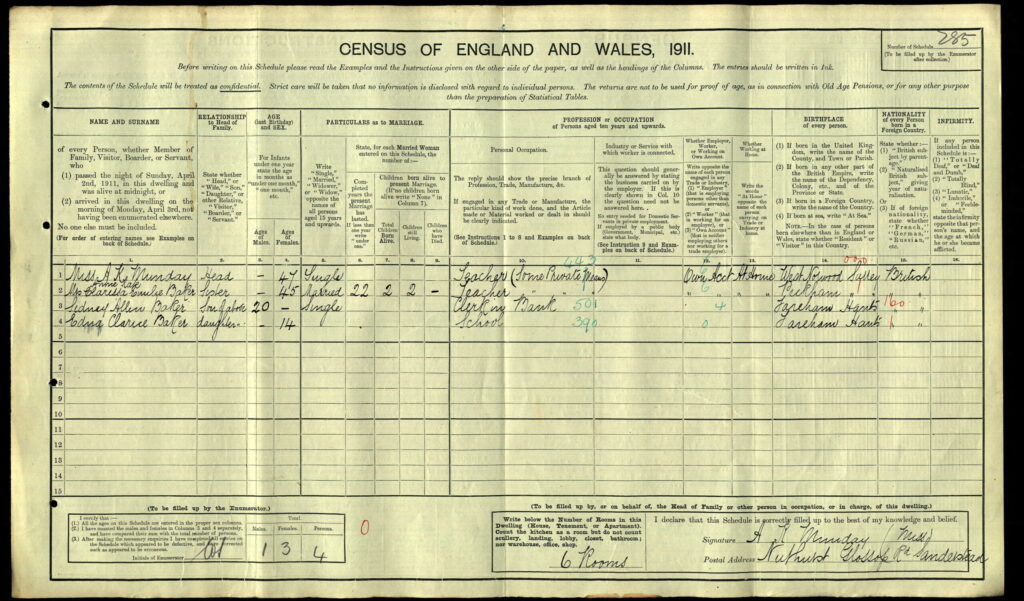
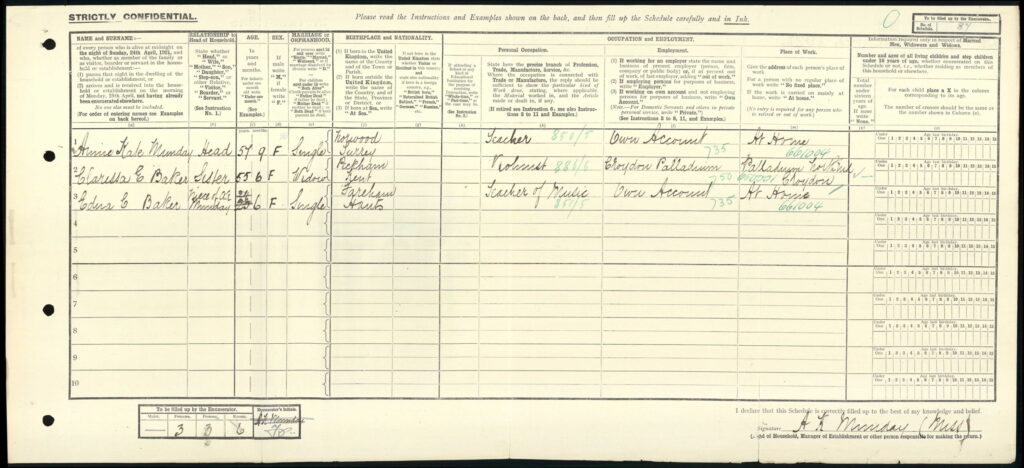
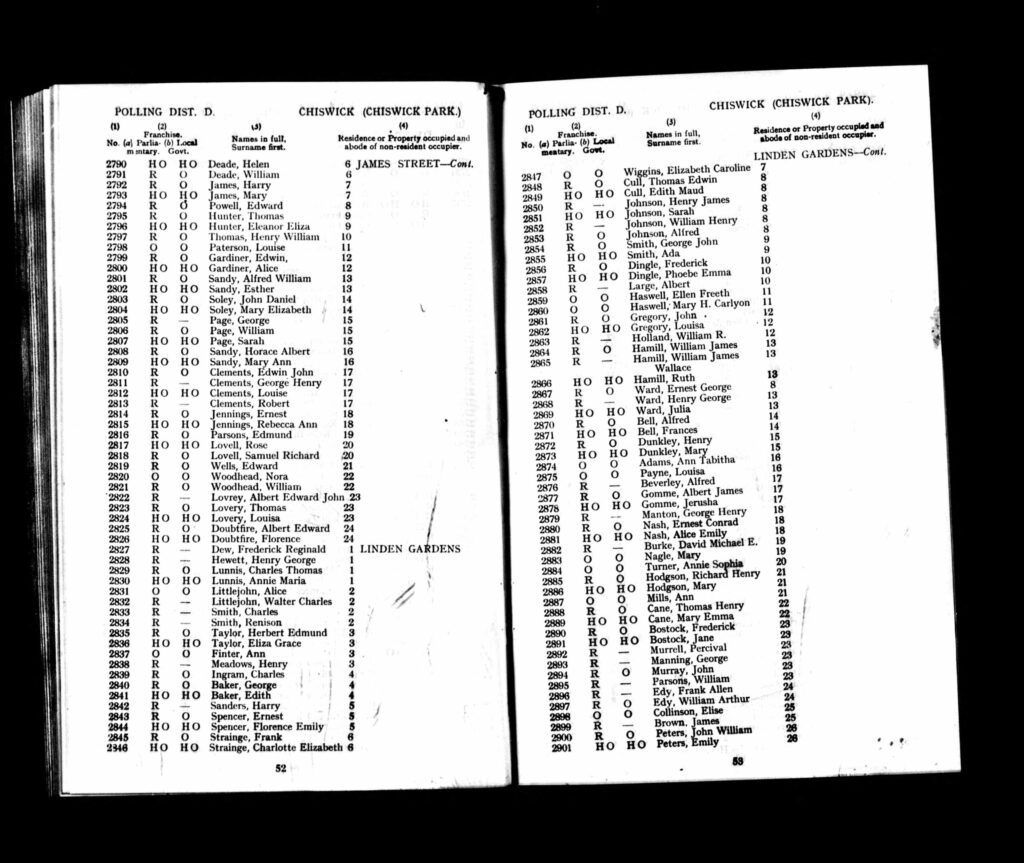
From the above documents I learned:
- The 1901 census shows Clarissa and her two children as living with Clarissa’s older sister, Annie Munday. This might, of course, not be meaningful because George might simply have been away on the day of the census.
- But the 1911 census still shows them as living with Annie.
- The 1921 electoral roll shows George as living at 4 Linden Gardens, the address given on his probate notice. George died in 1919, but I assume the electoral register had not been updated by 1921.
- The 1921 census also shows Clarissa as living with her sister, suggesting to me that her and George were not living together at the time of his death. I also speculate that they had not been living together since at least 1901.
Could Edith May Dowling, the woman who shared George’s grave be his common-law wife? He was still legally married to Clarissa at the time of his death, but considering the difficulties and stigma of divorce at that time, I felt it was worth considering that Edith might have been the new partner even if they had not been married. It was finaly time to investigate Edith.
Edith May Dowling (1866-1946)
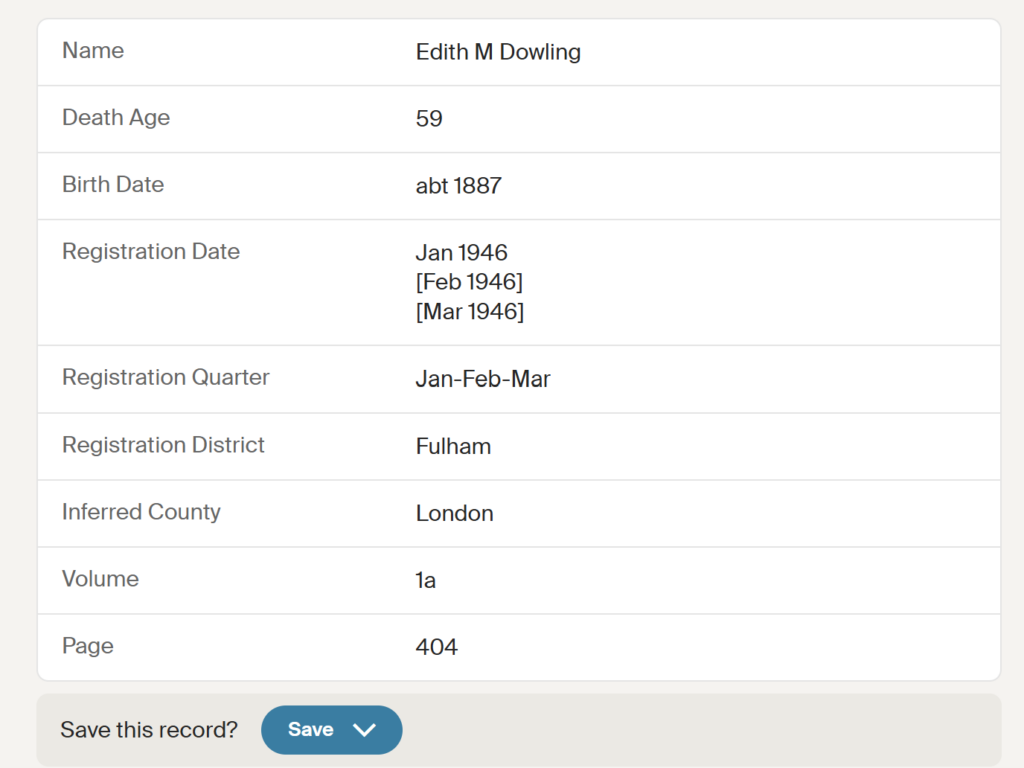
I started the search on Ancestry by entering her name and 12 February 1946, the year on her grave, into the search box.
The results returned this death register entry for the first quarter of 1946. OK, so her death is confirmed. Obviously, the grave confirms it, but now I also have paperwork supporting it.
And this is where the trail ends. For two weeks I went down every rabbit hole and side alley I could find, but they all ultimately led nowhere.
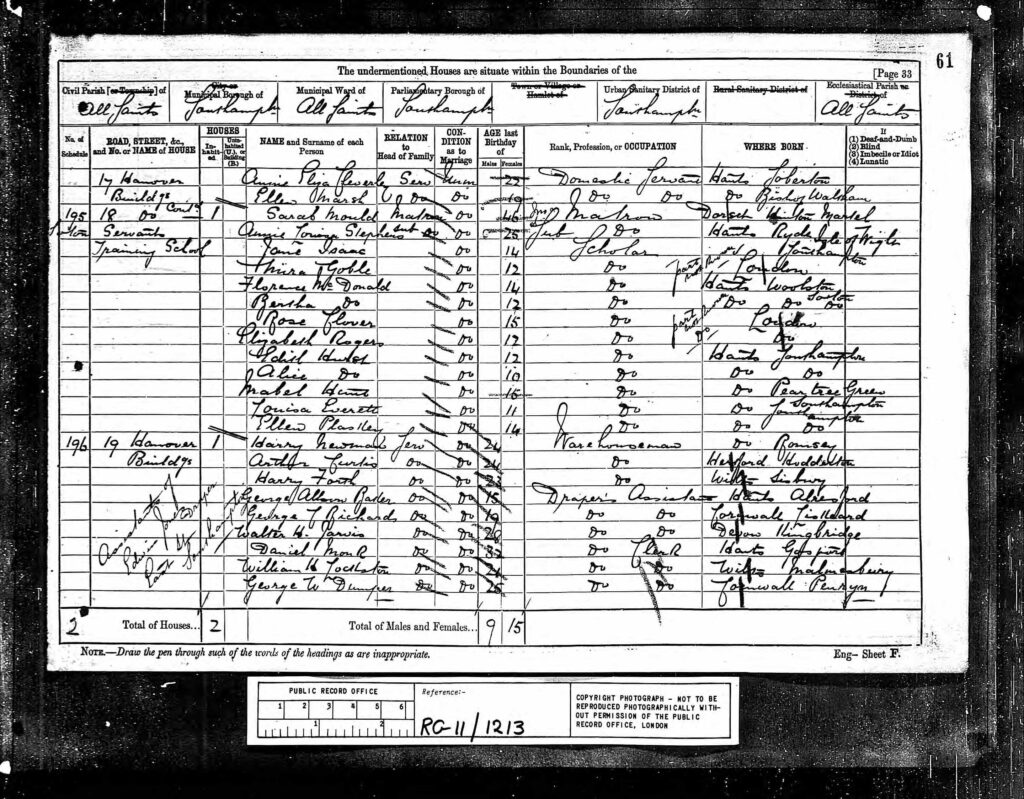
Two wonderful prospects included an Edith Muriel Dowling who was a draper’s assistant. Remember, George Baker, who shares her grave, was a draper. Census documents show both George and this Edith as living in large ‘draper’s establishments’ with lots of other people like a cook, a couple of servants, and loads of drapers and their assistants.I found it entirely plausible that George and Edith might have struck up a relationship while both living at such an establishment.
Another interesting lead was that Edith’s father, Charles, was shown in the 1901 census as being an oil refiner and in a later document (Edith’s marriage certificate) he is shown as a merchant. George Baker’s father-in-law, Charles Munday, was listed as a retired marine engineer and I wondered if the two Charleses perhaps crossed paths. I then found evidence of the whole family emigrating to Brasil. But if Edith married a man named Nami Agnatius Medawar and emigrated to Brazil, then how come she is buried in a grave in London with a man named George Baker who died 27 years earlier?
Sadly, I had to abandon this Edith because she was Edith Muriel, not Edith May, she was 20 years too young, she was married and would unlikely still have been a Dowling at her death, had emigrated, and I found no evidence of her and George ever having shared an address. Still, she was a tempting prospect for a couple of days.
An even more interesting prospect was when I found the divorce documents for a Percy Lewis Dowling who petitioned to divorce his wife, Edith May. It turns out Percy accused Edith May of having had an affair with a man named George Henry Jones. There was a court case in which Percy gave evidence – including the name and address of the hotel in Brighton where the ‘act’ was alleged to have taken place. The document was over 20 pages long and terrifically boring.
Sadly, this Edith May was twenty years too young to have been the Edith May I’m looking for.
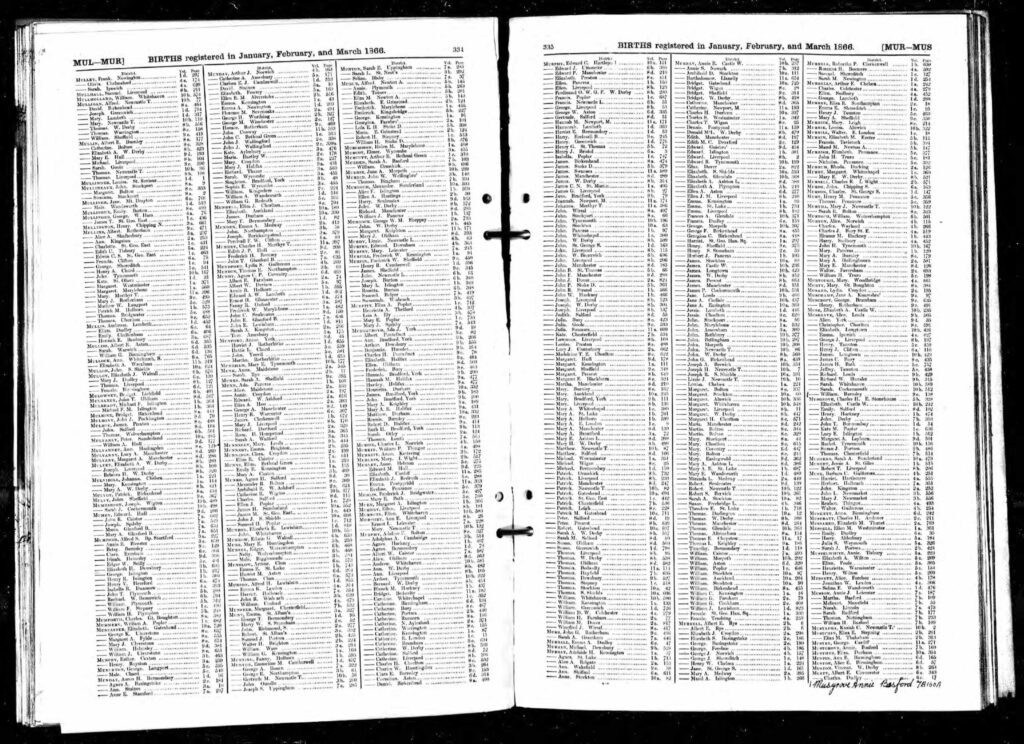
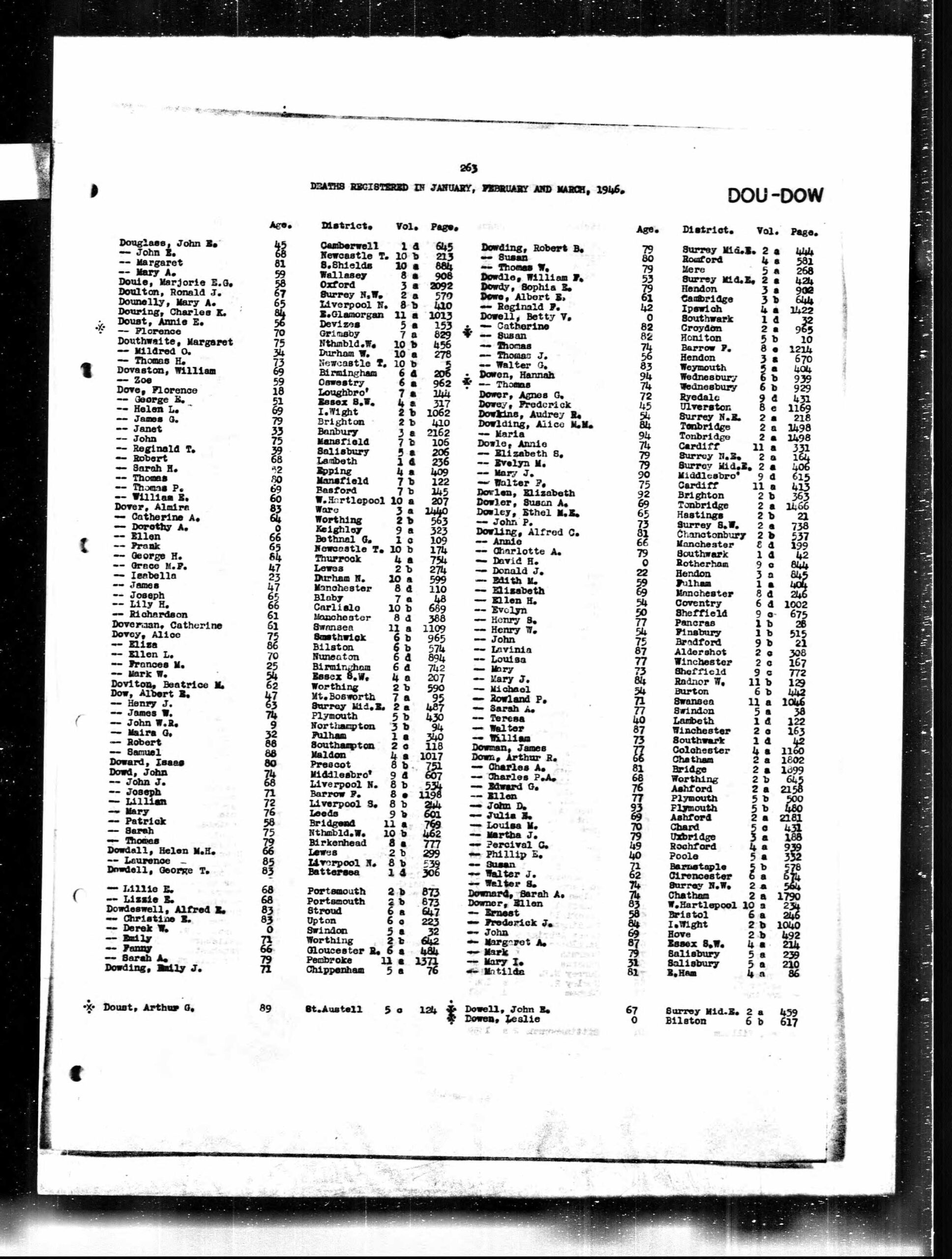
Next, I searched for her death certificate on the UK government’s General Register Office (GRO) website and on the FreeBMD website. For this, I needed the quarter (Jan, Feb, Mar), the volume (1a), and the page number (404), all of which I found on her Ancestry death entry. Neither website returned any results. Honestly, it’s as if this woman only ever existed as a grave in a Chiswick cemetery!
And this is where the trail ends.
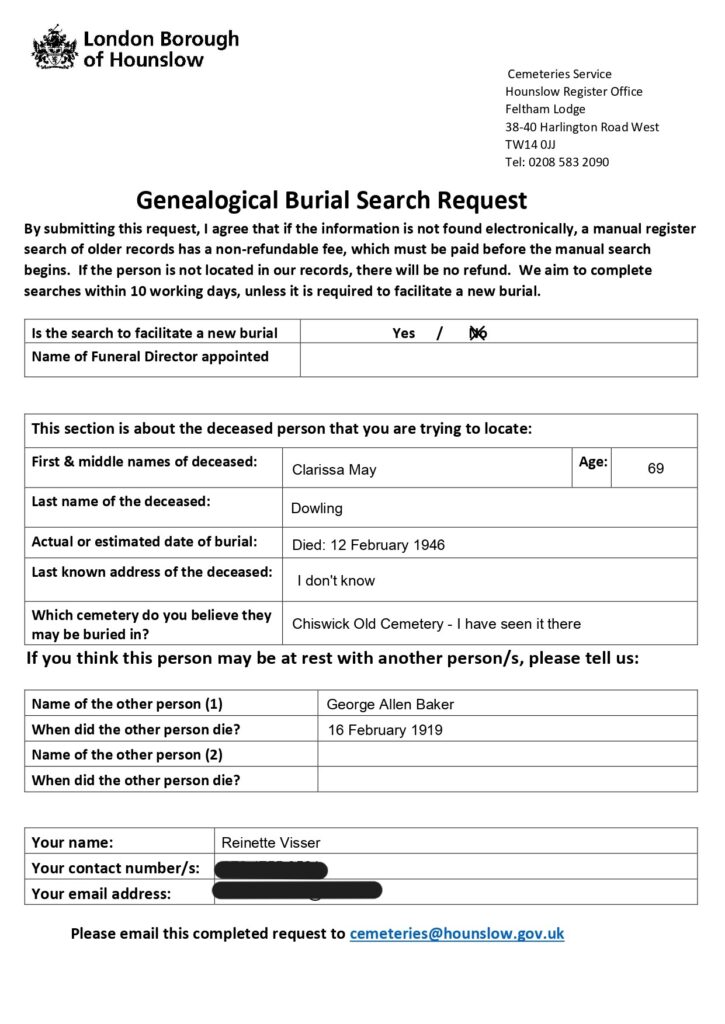
My last hope is Hounslow Council. I found this form online, and I hope to hear back from them within the next ten days. I’ll update this post when I hear from them.
Looking at this empty trail, I must also circle back to why I started this project in the first place. I want to reconstruct people’s lives as well as I can and then write sensitive fiction about what a random day in that person’s life might have looked like. I want to animate a long-deceased person. But if all I know about Edith May Dowling is that she died in 1946 at the age of 69 and is buried in Chiswick Old Cemetery, is that enough? If I write a story about what a random day in her life might have looked like based solely on evidence about the time and place in which she lived, would I risk taking so much liberty that I end up doing the opposite of honouring her? This is something I need to think about a lot more.

If you would like to receive an email every time I add a new post about this project, then please subscribe to my Substack profile here. It’s free, and I promise NEVER to spam you – I’m not a prolific writer.