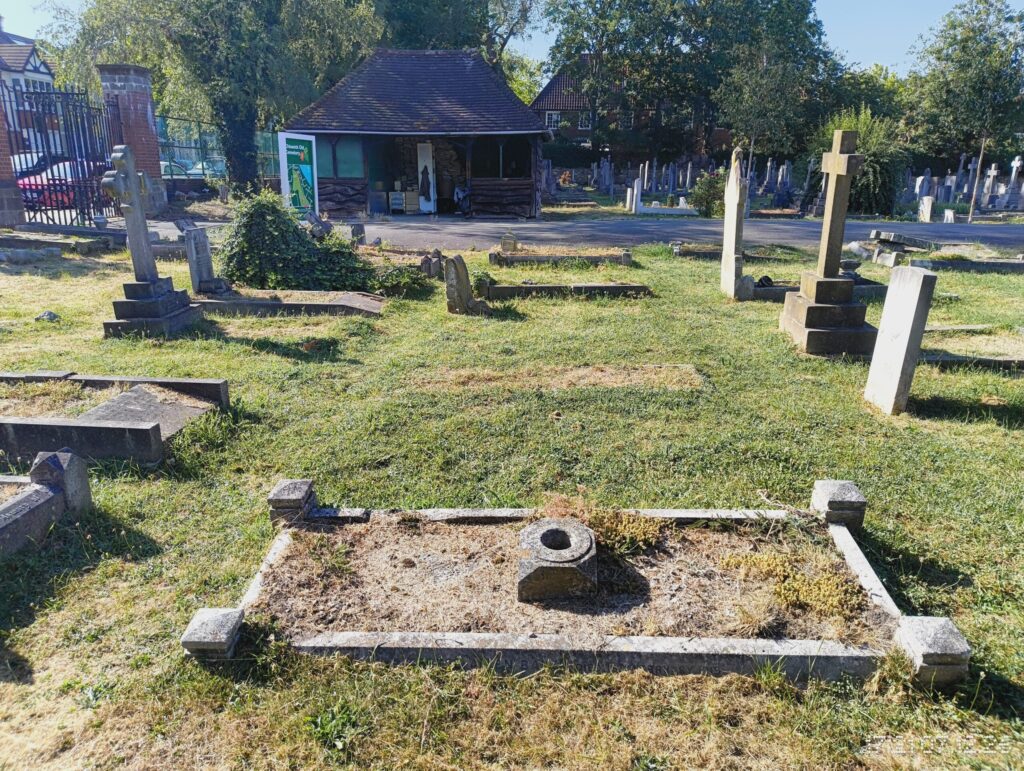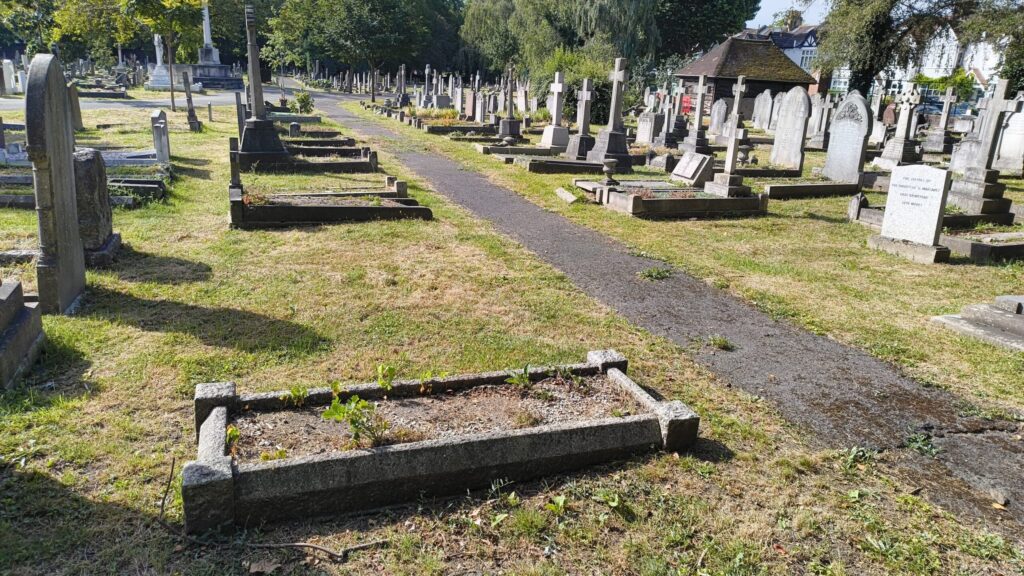
Post 1: The Cemetery Project, a series exploring the lives of random people I find in cemeteries.
I’ve always loved old cemeteries. One of my fondest childhood memories is visiting my grandparents’ graves. While my mum did the flower and weeding thing, my dad and I foraged for mushrooms.
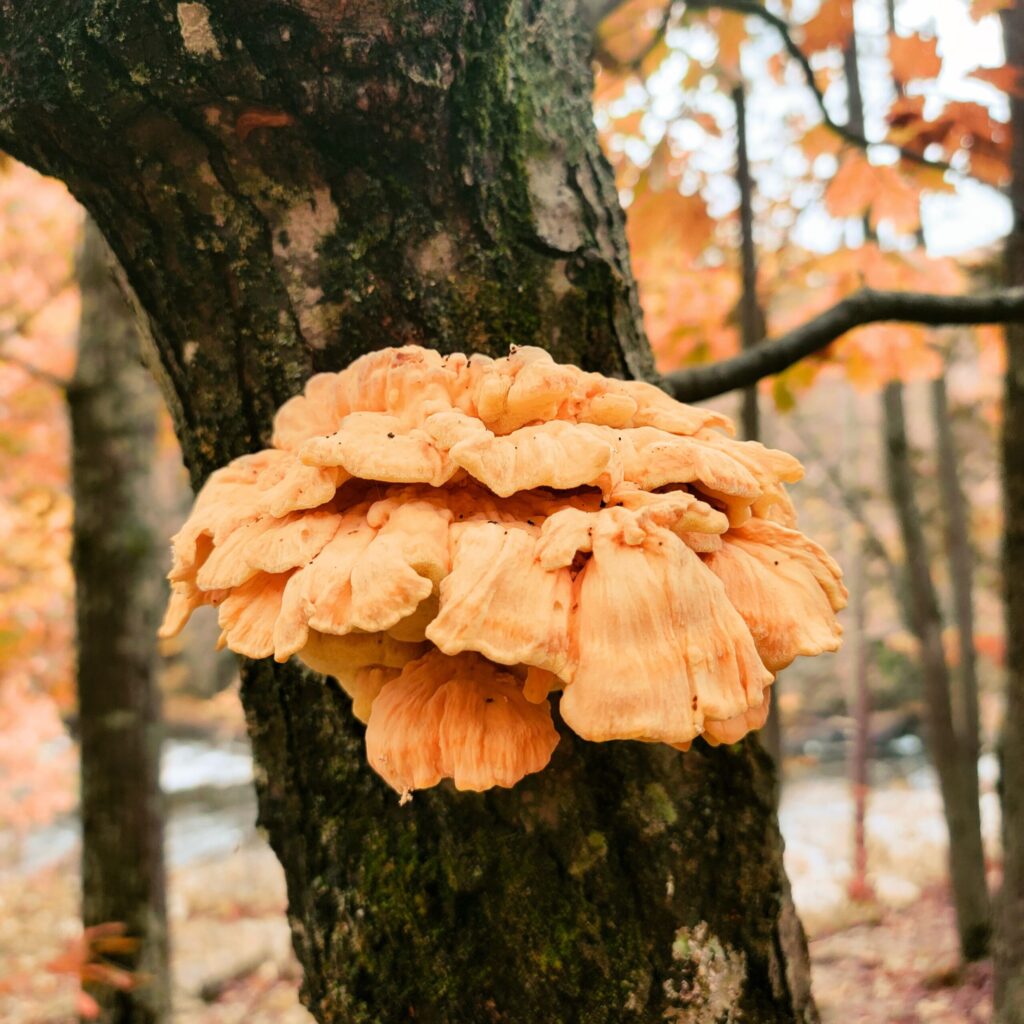
I’ve since learned that these mushrooms are a tree fungus called Chicken of the Woods. Back home, my dad would cut it into small pieces, fry it up with onion and bacon bits, mix in cheese sauce, and serve it on toast.
But fungus aside, I have always enjoyed spending time in cemeteries. I suppose to me they have always been places where life stubbornly keeps growing in the margins, waiting for someone to notice it. I read the headstones and imagine the lives and times of the people resting below them. To me, these people are alive and animated, and living glorious lives.
Whenever I’m in London, I stay within walking distance of Chiswick Old Cemetery, and I spend ages wandering among the graves. But now, instead of foraging for mushrooms, I forage for stories. I read the names and dates, and I wonder who these people were and what their lives looked like before they became names carved into stone.
I’ve also always been fascinated by serial killers.
Lately, though, I’ve found myself becoming much more interested in their victims than in the killers themselves. I’ve come to realise how backwards our collective curiosity is; we grant these killers endless attention and notoriety, while quietly allowing their victims to be forgotten in the footnotes.
Many of the women murdered by Britain’s most notorious serial killers were prostitutes. Because of that, they were often treated with remarkable disrespect, both by the police and by the media.
The first four victims of the Yorkshire Ripper, Wilma McCann, Emily Jackson, Irene Richardson and Patricia Atkinson, were all sex workers. The investigation has since been criticised for failing to devote the same urgency to their murders as it did after sixteen-year-old Jayne MacDonald was killed. Around that time, a BBC reporter described Jayne as ‘an innocent victim’, a phrase that has become infamous because of what it implied about the women who came before her.
A decade earlier, another serial killer was targeting young women in west London. The murderer became known as ‘Jack the Stripper’ because he dumped the naked bodies of his victims to be found by passers-by. Today, the case is better known as the Hammersmith Nude Murders, and it’s the biggest unsolved serial murder investigation in British history.
One of the victims, Irene Lockwood, was found at Chiswick Pier, only a couple of minutes from where I stay in London. Irene is buried in a pauper’s grave in Chiswick New Cemetery alongside another victim, Helen Barthelemy in the same grave. A third young woman, Elizabeth Figg, who some researchers believe may have been an earlier victim of the same killer, is buried nearby in another pauper’s grave.
Reading newspaper reports from the time is often uncomfortable. Time Magazine, for example, described Helen as ‘a stripper turned tart‘. That was the language those male journalists used to describe women whose lives had just been violently cut short.
The more I read, the more I find myself wondering about the parts of their lives that nobody bothered to record.
Who did they laugh with?
What did they worry about?
What did they dream of doing next year?
Who cut their hair? Where did they buy their groceries? Which café did they visit when they had enough money for a cup of tea?
Those are the stories I’m interested in.
So I’ve been thinking about a new writing project.
I’d like to research these women as thoroughly as I can and then write fictional short stories imagining what their ordinary days might have looked like. Not the day they died, but some of the hundreds of ordinary days that came before it. Days filled with work, friendships, unpaid bills, awkward conversations, hopes, disappointments and small moments of happiness.
I’m not interested in writing true crime. I’m interested in writing fiction that restores a little of the humanity history stripped away from these women. For most people, they are remembered only because they crossed paths with a serial killer. I’d like to imagine who they were before that happened, and maybe help restore some of their identity.
I think it’s worth trying.
And this is my other idea:
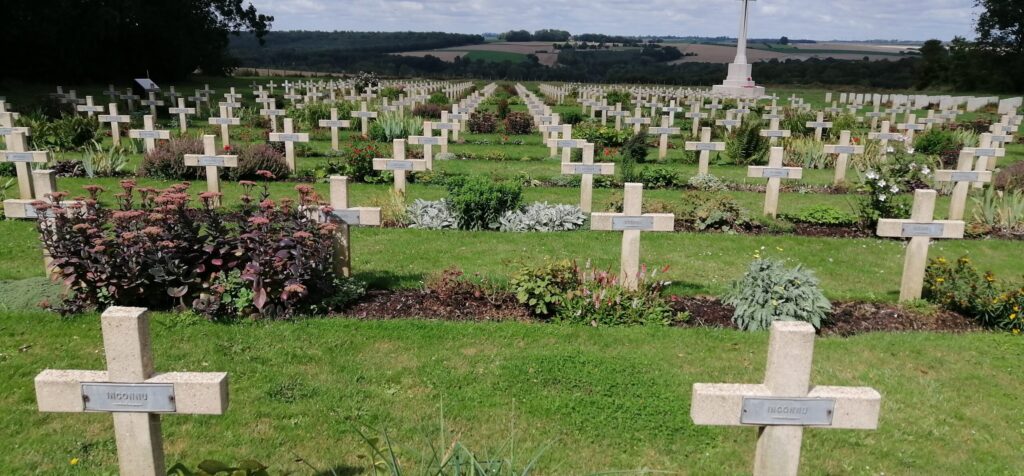
I visited the Somme a couple of years ago and was quite overwhelmed by all the graves of all the young men – literally fields of them.
There are a handful of war graves at the cemetery nearby. Also one of a woman called Sophia, which was my mother’s name.
I might write fiction about them as well, and imagine their lives. Maybe let them know one another, or randomly sit next to each other on the bus.
They died very long ago and nobody is caring for their graves and I might go clean it up a bit and give them flowers or a plant.

If you would like to receive an email every time I add a new post about this project, then please subscribe to my Substack profile here. It’s free, and I promise NEVER to spam you – I’m not a prolific writer.